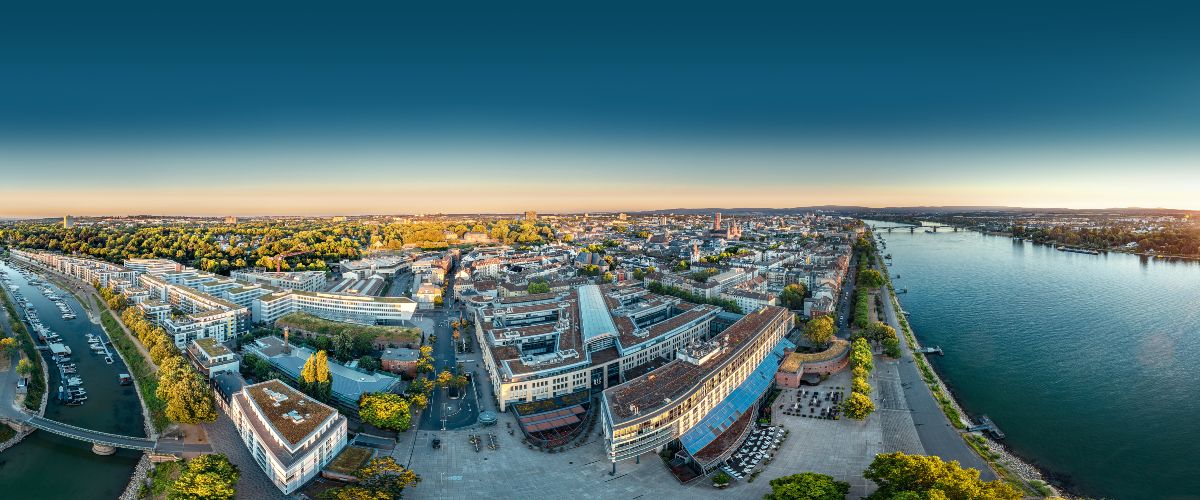
 © Mathias Weil – stock.adobe.com
Water-based thermal energy for sustainable heat
Water to warmth: Bridging technology, ecology and regulation through FluSeeQ
Rivers and lakes harbour significant potential for sustainable heat supply that has so far been largely untapped. To develop this potential safely and efficiently, several questions remain unanswered. The FluSeeQ research project unites technology, ecology and regulation. It takes a practical approach to investigating how heat can be harnessed from water, how nature can be protected, and how regulatory requirements can be met.
At first glance, water bodies offer ideal conditions as a heat source: they are abundant across Germany and can supply energy that can be used for heating or industrial processes—often right where people live or work. At the same time, the ecological and regulatory frameworks are complex.
Companies are increasingly interested in using water-based heat because it can help reduce CO₂ emissions and thus contribute to achieving climate targets. This heat source, however, requires particular ecological care. So far, only a few pilot projects exist. This is where FluSeeQ comes in: funded by the Federal Ministry for Economic Affairs and Energy (BMWE), the project helps to clarify open questions and create momentum for wider adoption.
Water in the context of geothermal energy
Water-based thermal energy is a form of environmental heat use – similar to ground source heat probes, waste heat from industrial plants or air-source heat pumps. Rivers and lakes store heat throughout the year at a temperature level that fluctuates far less than that of air. By contrast, air and near-surface soils are subject to much greater temperature variations. For heat pumps, this stability is a clear advantage: the higher the input temperature, the more efficiently they operate.
Rivers and lakes are often located in urban or peri-urban areas. Deep drilling, the traditional form of geothermal energy, is expensive here, technically demanding and frequently constrained by buildings and infrastructure. Water bodies provide flexible, near-surface heat and are therefore a versatile energy source. They can be readily adapted to different locations and systems and integrated just as easily into urban heating networks or industrial facilities. At the same time, they are habitats whose protection must be taken into account.
Paving the way: interdisciplinary research for heat supply
“We need to act, measure and scale,” says Simone Walker-Hertkorn, project manager at the coordinating industrial partner tewag. This succinctly captures the core of FluSeeQ, which focuses on practical research, continuous monitoring and the implementation of the insights gained.
Industry, science and public authorities must find a shared path towards developing solutions that work technically, are legally robust and protect the environment. Only on this basis can concrete recommendations for action be derived for different types of water bodies—an approach that has so far been lacking.
Recognising ecological factors: Water bodies as lifelines
Rivers and lakes are sensitive ecosystems, and any hydrothermal use (the extraction of heat from water bodies) must not lead to a deterioration in their ecological status. Temperature is a key environmental variable and strongly influences oxygen levels, nutrient balances and the dynamics of plants, small organisms, fish and microorganisms.
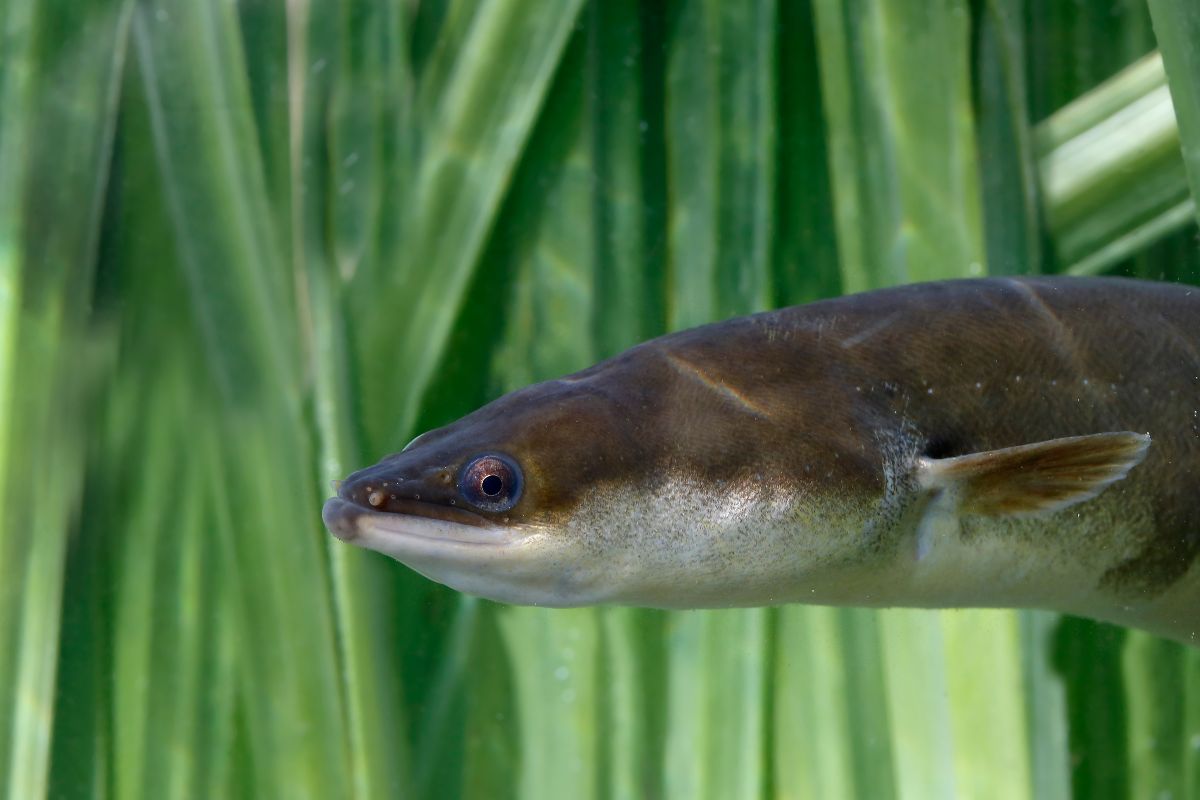
Climate change, reduced river flows, lack of riparian shading and historical river straightening are causing water temperatures to rise. Even small temperature changes can affect the behaviour, reproduction and metabolism of aquatic organisms. In most cases, an increase in temperature is more critical than a decrease, as oxygen solubility declines and biogeochemical processes accelerate.
Against this backdrop, the warming of water bodies caused by climate change is particularly problematic. Nature-based measures such as riparian afforestation or the restoration of river meanders can help to buffer temperature peaks, but cannot fully compensate for them. Hydrothermal use, by contrast, leads to cooling and thus counteracts climate-induced warming. Nevertheless, under certain conditions, temperature reductions can also have negative effects—for example on reproductive behaviour or foraging. Overall, aquatic ecosystems are highly sensitive to changes in temperature regimes.
For this reason, any use of heat from water bodies must be carefully assessed. The Helmholtz Centre for Environmental Research (UFZ) is investigating how heat extraction affects ecosystems, particularly their temperature regimes over time and space. At the same time, it is developing methods to identify and reduce stresses on water bodies at an early stage. On this basis, standardised procedures and ecologically sound indicators are to be developed in future, providing authorities and planners with greater certainty when designing and implementing heat extraction projects—without compromising the protection of water bodies.
In addition to thermal effects, material-related risks must also be considered, particularly with regard to the refrigerants and other substances used. The demonstrator developed within the project operates with an oil-free compressor and water as the refrigerant. This particularly safe and environmentally friendly solution can be adapted to different types of water bodies. Industrial partners such as Uhrig and COMBITHERM contribute their practical experience to the project. Together, the FluSeeQ partners aim to lay the foundation for a new generation of large-scale heat pumps that are intrinsically environmentally compatible and can be integrated into existing hydraulic infrastructure.
Heat utilisation in harmony with law and nature
A small pond on a golf course can tolerate different interventions than a large lake. Various protection requirements, as well as regional, national and EU regulations, apply. These regional differences make it more difficult to plan and implement projects for the use of heat from water bodies.
FluSeeQ supports the implementation of legal guidelines through factsheets, recommendations and practical guidance. Partners such as the German Association for Water, Wastewater and Waste (DWA) contribute their expertise in water management and regulation. AGFW also provides its know-how in heating and cooling systems and supports the integration of technology with standards and regulatory practice. The Fraunhofer Institute for Solar Energy Systems ISE examines how technology, ecology and economics interact in the use of surface water bodies for heat generation, and which legal frameworks must be taken into account. Ultimately, the aim is to develop practical guidelines for safe and environmentally friendly use.
Water bodies as a building block for sustainable heat
Alongside FluSeeQ, other initiatives are also working to integrate heat from rivers and lakes into urban energy systems. The EU-funded AquaCOM project supports energy communities in north-western Europe in using heat from rivers and lakes for local networks. It develops practical concepts, training programmes and pilot projects in France, Belgium and the Netherlands.
WaterWarmth supports projects in six European countries that use heat and cooling from rivers and lakes. In this way, energy supply becomes more sustainable and the benefits of the energy transition reach citizens directly.
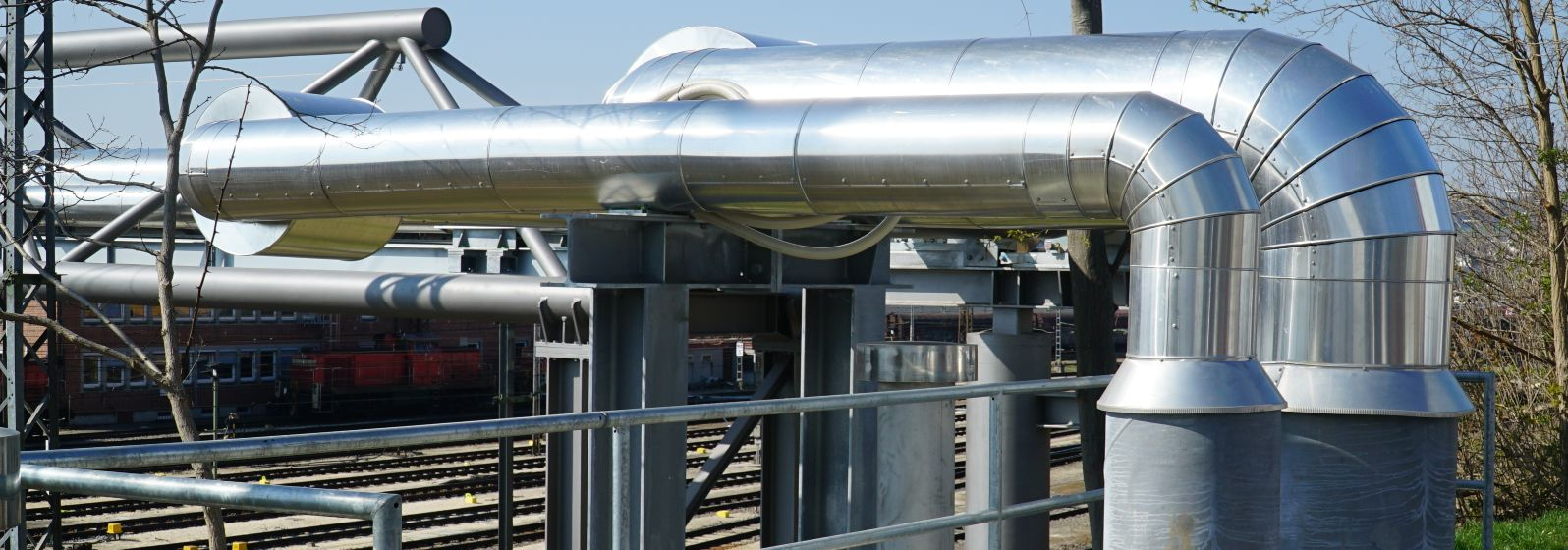
Researchers involved in the FernWP project are working to deploy large-scale heat pumps in district heating systems.
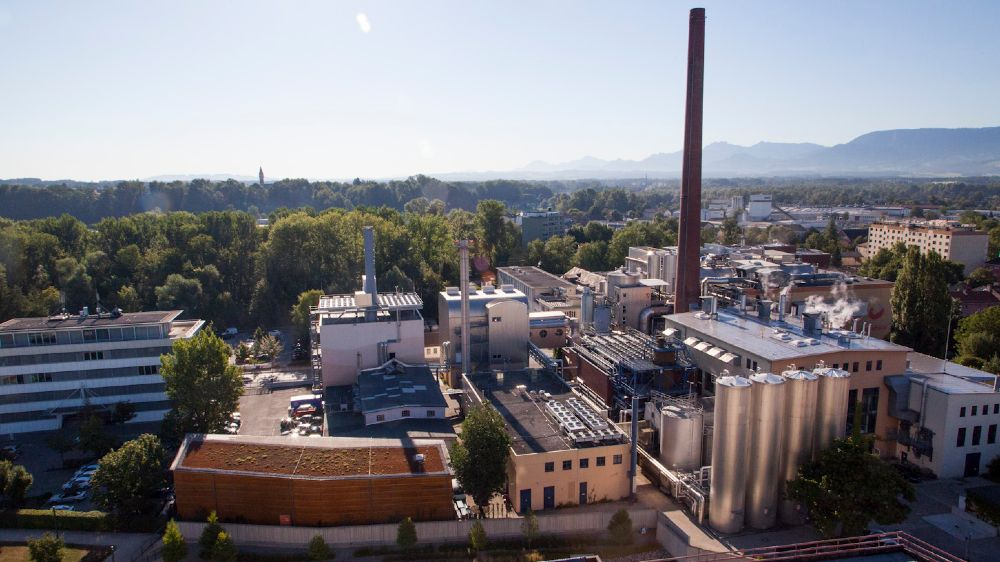
Large-scale heat pump as part of the GWP living lab: at the Rosenheim site, a heating plant with several large-scale heat pumps is under development.
At national level, the “GWP” living lab is testing the extraction of heat from flowing water bodies for residential and commercial areas. The focus is on practical standards that combine technical feasibility with environmental compatibility. At power plant sites in Berlin, Stuttgart, Mannheim and Rosenheim, large-scale heat pumps are being tested under real operating conditions. In addition, the FernWP project is examining how heat from water bodies can be fed into district heating networks in order to replace coal-fired power plants.
Water-based heat is still in its early stages—but its potential is considerable. New facilities create local jobs, and standardised procedures make planning easier. Localised interventions can help offset excessively high water temperatures, always in combination with nature-based measures such as riparian afforestation or ecological restoration.
Against this backdrop, FluSeeQ is deliberately taking on a pioneering role. The project partners aim to bring together technical design, environmental analysis and regulatory considerations within a single, integrated approach. Their goal is to develop a blueprint for the safe and efficient use of heat from water bodies – one that can serve as a key pillar in the transformation of heat supply systems in Germany and across Europe. (sk)