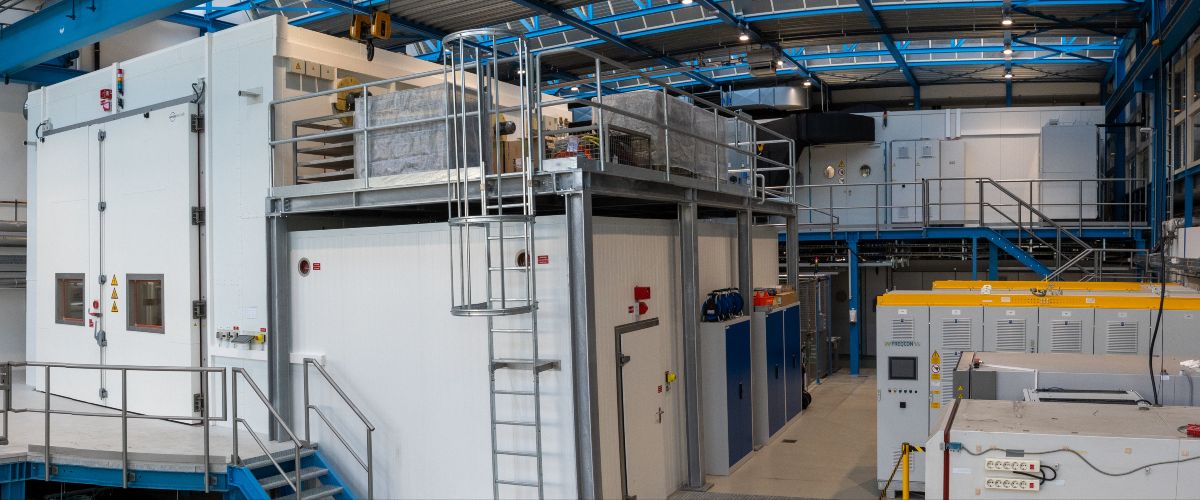
 © University of Bremen, IALB
HiPE-LAB testing laboratory
Strong demand for testing high-performance electronics
The laboratory at the University of Bremen was established as part of the HiPE-WiND research project. Three years after the project ended, the facility was fully booked in 2025. Alongside manufacturers from the wind energy sector, companies in the photovoltaic industry are also requesting access to the HiPE-LAB – a unique test laboratory for life time testing of power electronic components and systems.
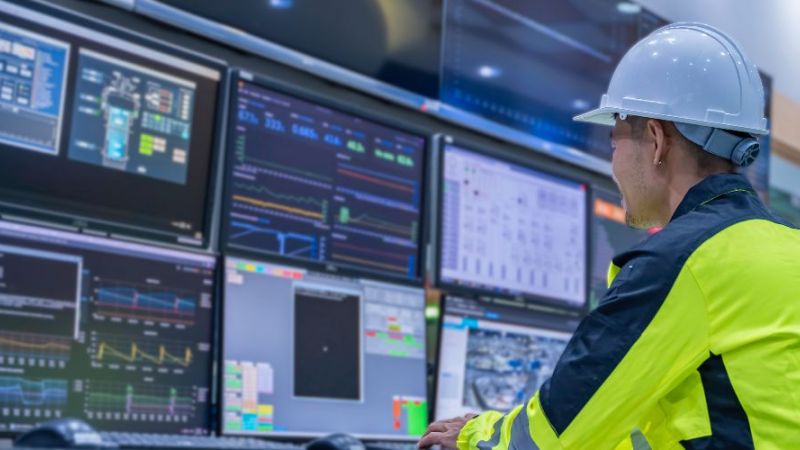
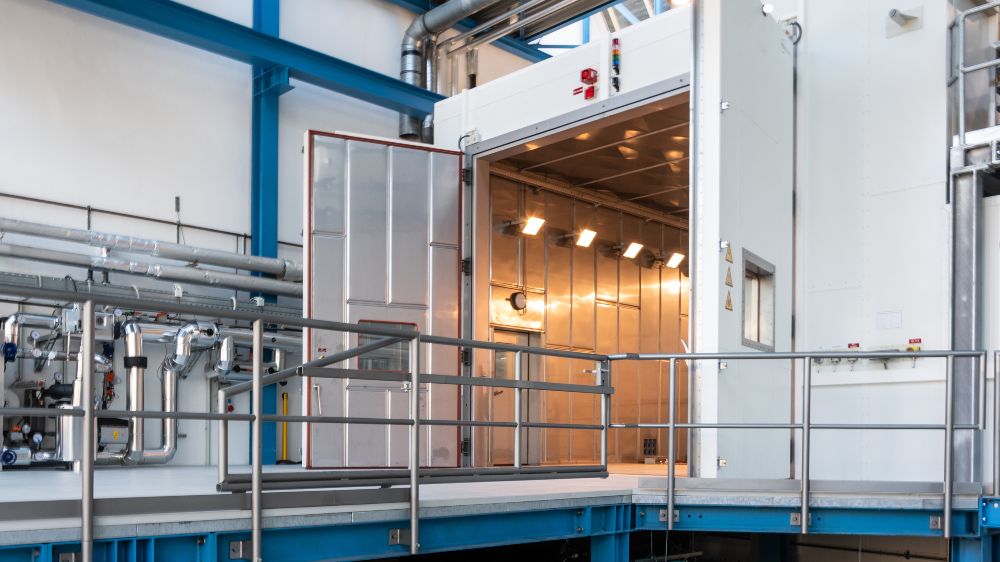
A large climate room capable of simulating the temperature and humidity of most climate zones worldwide, complemented by smaller climate cabinets and combined with a wide range of electrical load conditions: with this equipment, companies and researchers at HiPE-LAB can test entire frequency converters with a power rating of up to 10 megavolt amperes (MVA) over their expected service life. Frequency converters adjust the amplitude, frequency and phase angle of the generated voltage so that electricity from renewable sources can be fed into the public power grid. To test these high-performance electronic systems, HiPE-LAB recreates the environmental and electrical conditions they are expected to experience during operation.
Multimodal tests reveal optimisation potential
Multimodal tests combine variable climatic conditions with dynamic electrical loads. Their aim is to expose the test specimen to the conditions it will face during operation in the field – or to even harsher conditions during development. This allows researchers to assess the reliability of the system under realistic operation conditions.
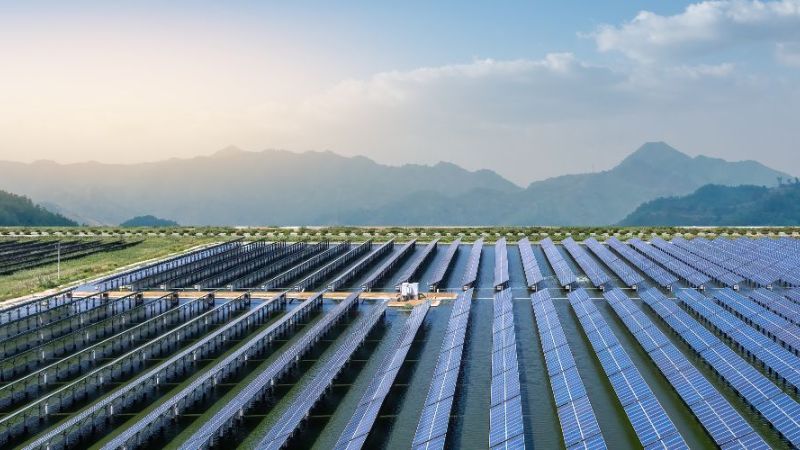
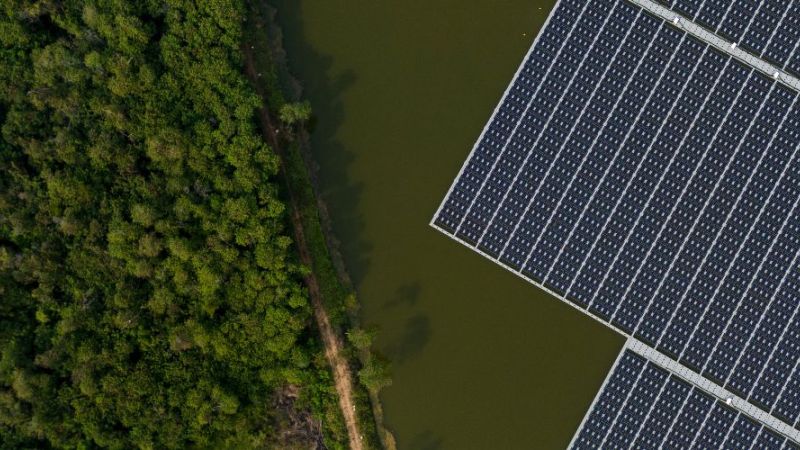
Power levels of up to 10 MVA occur, for example, in multi-megawatt wind turbines or in large open-space photovoltaic systems. The size and the weight of the equipment reflect this: one converter tested by the laboratory team in the climate room in 2025 weighed almost four tonnes.
The facility can also be used to test individual electronic components, such as power semiconductors, capacitors, printed circuit boards or complete electronic assemblies. Separate climate cabinets are available for these tests.
In future, the laboratory will also enable accelerated ageing tests for entire power electronic systems. This approach is already being used for individual components.
Tests over several months using fully automated control
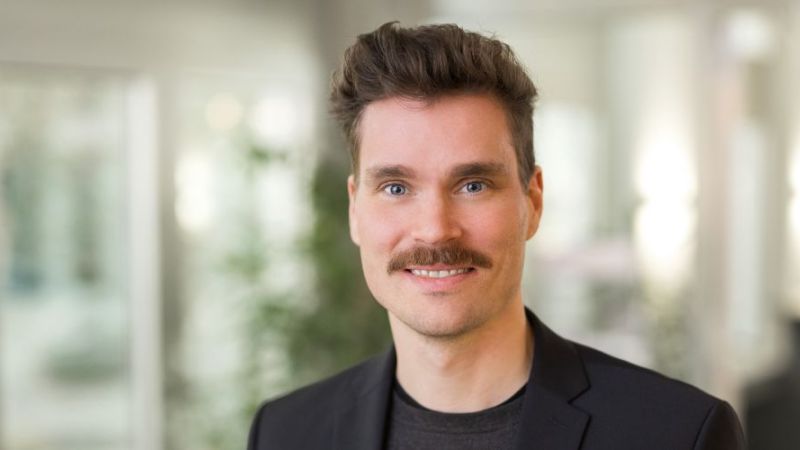
"For many customers, the main challenge lies in the electrical loads at this power level. Electrical losses generate heat in the power electronics, which must then be removed by effective cooling. At the same time environmental factors such as temperature fluctuations and, of course, humidity act on the system from the outside", explains Wilfried Holzke, Scientific Director of the HiPE-LAB. The laboratory’s fully automated control system also allows tests to run continuously for several months. Most companies are unable to carry out such long-term tests themselves. The extensive testing carried out at HiPE-LAB helps identify potential improvements at an early stage, before converters enter series production. This ultimately helps ensure reliable operation in the field.
Laboratory capacity fully booked in 2025
The ability to simulate a wide range of climate conditions is attracting interest from outside of Germany as well. One recent enquiry concerns the operation of power electrical systems in India, reports Holzke: "The company wants to know how long the power semiconductor modules need to be heated before start-up so that the moisture can escape from the module."
Further enquiries about product testing have come from Switzerland and Norway, while most requests originate in Germany. "Our capacity was fully booked throughout 2025. We even had to turn down two additional requests because we simply did not have the capacity", says Holzke.
The laboratory is now operated by the Institute for Electric Drives, Power Electronics and Components (IALB) at the University of Bremen, which coordinated the HiPE-WiND research project from which HiPE-LAB emerged. The institute works closely with its project partner, the Fraunhofer Institute for Wind Energy Systems IWES, which remains an important partner for incoming orders in the field of wind energy.
The team hopes the strong demand will continue and that HiPE-LAB will also establish itself in other industries. To support this, at the laboratory presents its work at trade fairs such as Husum Wind and WindEnergy, as well as at conferences including ECCE Europe and PCIM Europe. The team also offers workshops for companies, offers guided laboratory tours and publishes specialist articles – for example in PCIM Magazine in 2025.
"The original project funding should deliver tangible practical benefits", says Holzke: "We are making full use of the current opportunities to ensure the funding achieves exactly what it was intended for."
Funding project closes gap in European test laboratories
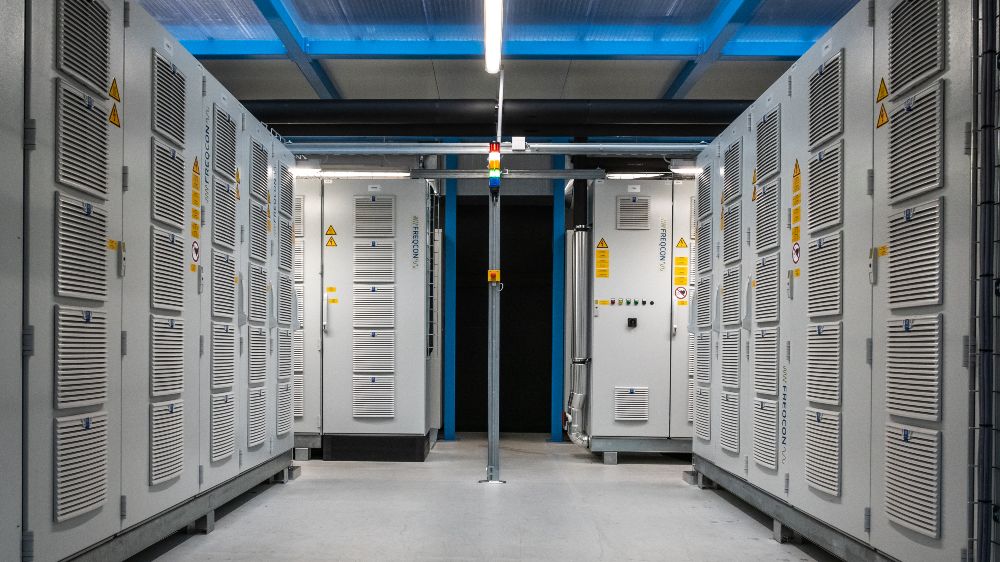
The aim of the HiPE-WiND project, which was launched in 2017, was to enable investigations of the high-performance electronics of wind turbines under real multimodal environmental and load conditions in order to research failure mechanisms and make the turbines more robust. The ultimate goal was to increase the service life of the converters. At the time, there were no manufacturer-independent test benches available on the European market. "Everything we currently use to test the frequency converters was set up in the project", explains Wilfried Holzke. "Of course, we are improving our processes and adapting them to customer requirements, for example, supplementing the scope of technical possibilities for testing individual components and complete systems across the entire power range up to 10 MVA with orders. In this way, every order also helps to further develop the laboratory." With the tests of high-performance electronics made possible here, the laboratory makes a decisive contribution to the reliable and resource-saving operation of renewable energy plants. (mb)