 © Siemens Energy
Research Consortium SUPER-H2
Hydrogen under pressure: Experts develop a new generation of electrolysers
To enable renewable hydrogen to be produced in large quantities in the future, high-performance electrolysers, that can be manufactured economically on a mass scale, are needed. In the SUPER-H2 research project, funded by the Federal Ministry for Economic Affairs and Energy (BMWE), companies are developing new automated manufacturing processes for electrolysers that enable hydrogen to be produced under pressure right from the manufacturing stage.
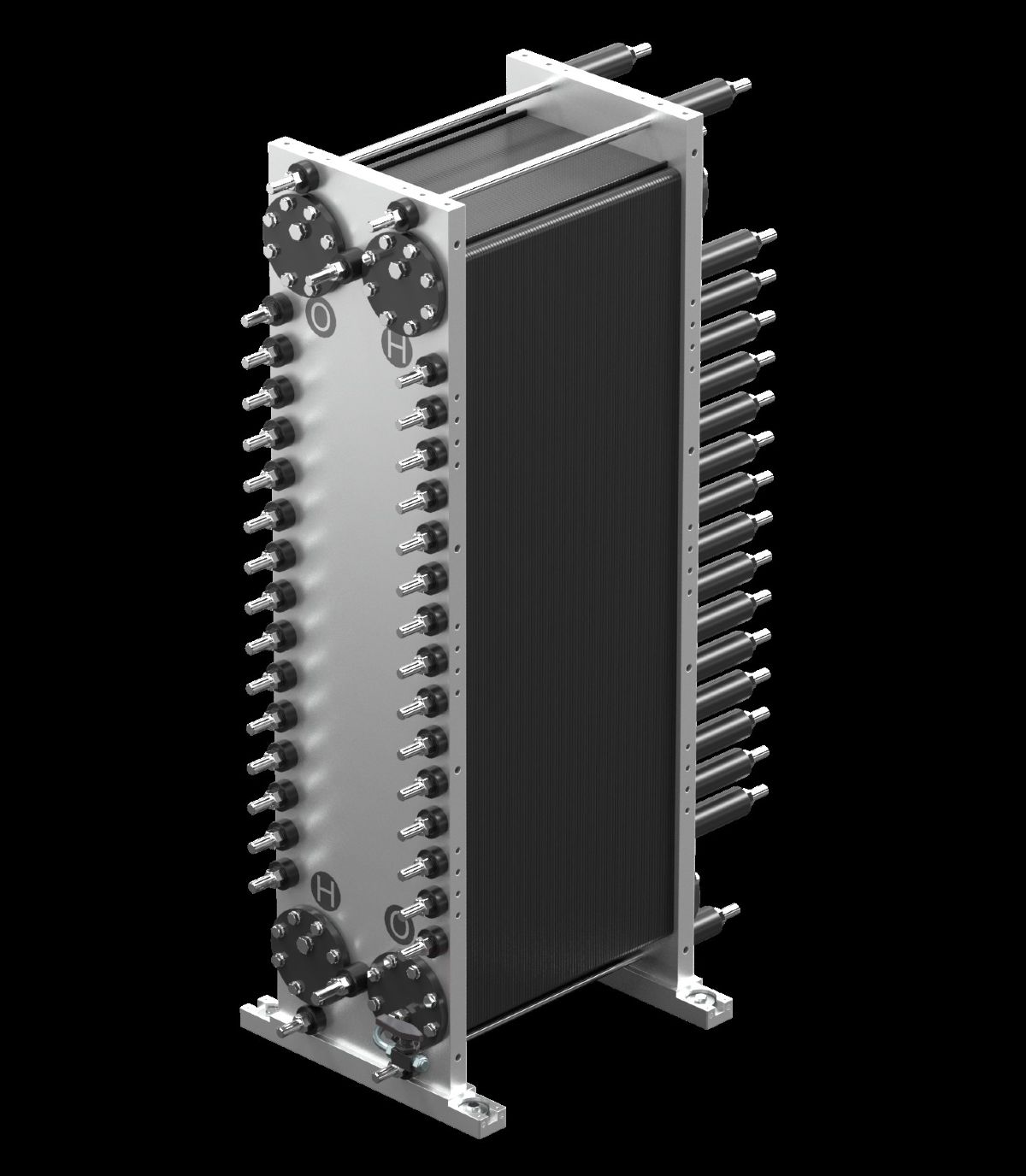
Green hydrogen is a key component in the transformation of energy-intensive industries. At present, low availability and high prices are holding back the ramp-up of hydrogen production. In the research project SUPER-H2 , Siemens Energy is therefore working together with its partners Main Automation and Kubat Mechanik to produce hydrogen more efficiently and cost-effectively. The projects heart, is developing the serial production of innovative pressurised stacks for PEM - electrolysers , known as the "Elyzer P-360".
 @ Siemens Energy
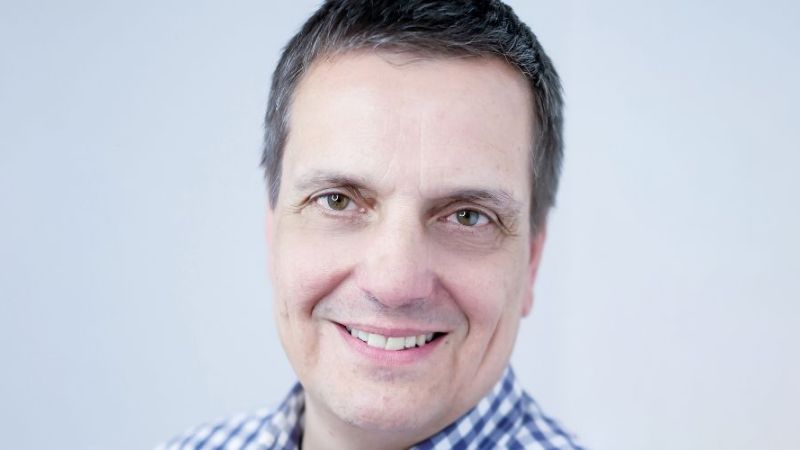
In these electrolysers, hydrogen is produced under pressure of up to 10 bar during the manufacturing process. The advantage of pressurised electrolysis is that, if hydrogen is produced under pressure from the start, the subsequent energy-intensive work required by compressors can be reduced. Compressing the hydrogen is often necessary for transport, storage, or use. Although the resource requirements during the production stage are slightly higher than with non-pressurised electrolysis – as more materials are needed, for example, to meet the increased sealing requirements – "Overall, however, the production of pressurised hydrogen is expected to save costs," says Product Manager Dr. Martin Kronhardt of Siemens Energy. This can be advantageous, for example, at filling stations or in chemical processing, such as in ammonia synthesis.
From pilot project to serial production
As part of the SUPER-H2 project, the existing production facility for electrolysers at Siemens Energy’s Berlin Giga-Factory has been reviewed and adapted for the new process since the project’s launch in 2024. The aim is to reduce manufacturing costs and potential defect rates, whilst increasing product longevity. The focus here is particularly on highly automated and quality-controlled serial production of the electrolysis stacks.
Progress has so far been made in the area of automated quality control. In addition, the project partners are working on further developed production processes for the PEM stacks. Spotlight is on the direct coating of PFSA membranes, the bolting of pressurised stacks, and highly scalable module assembly and stack disassembly.
 @ Siemens Energy
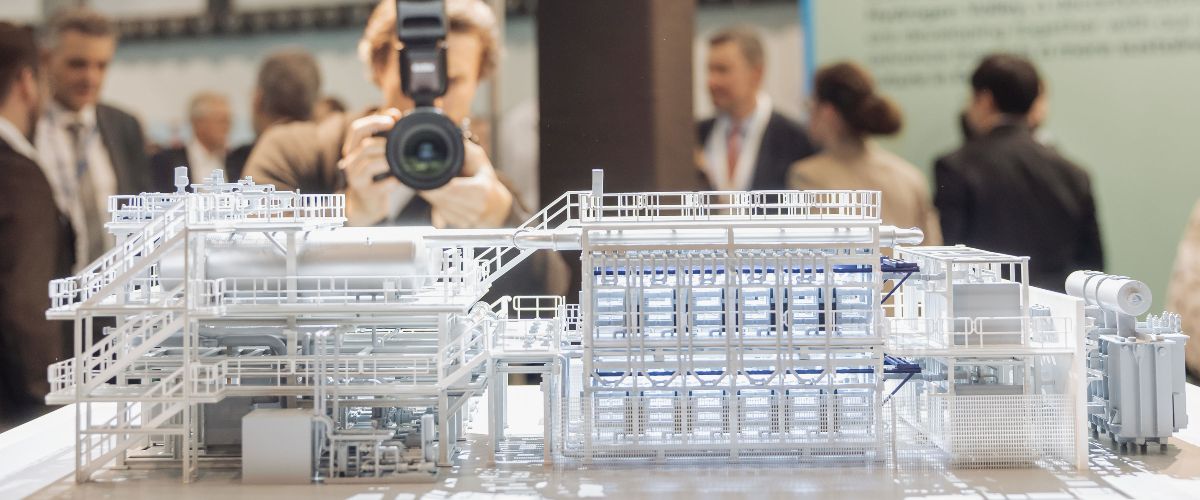
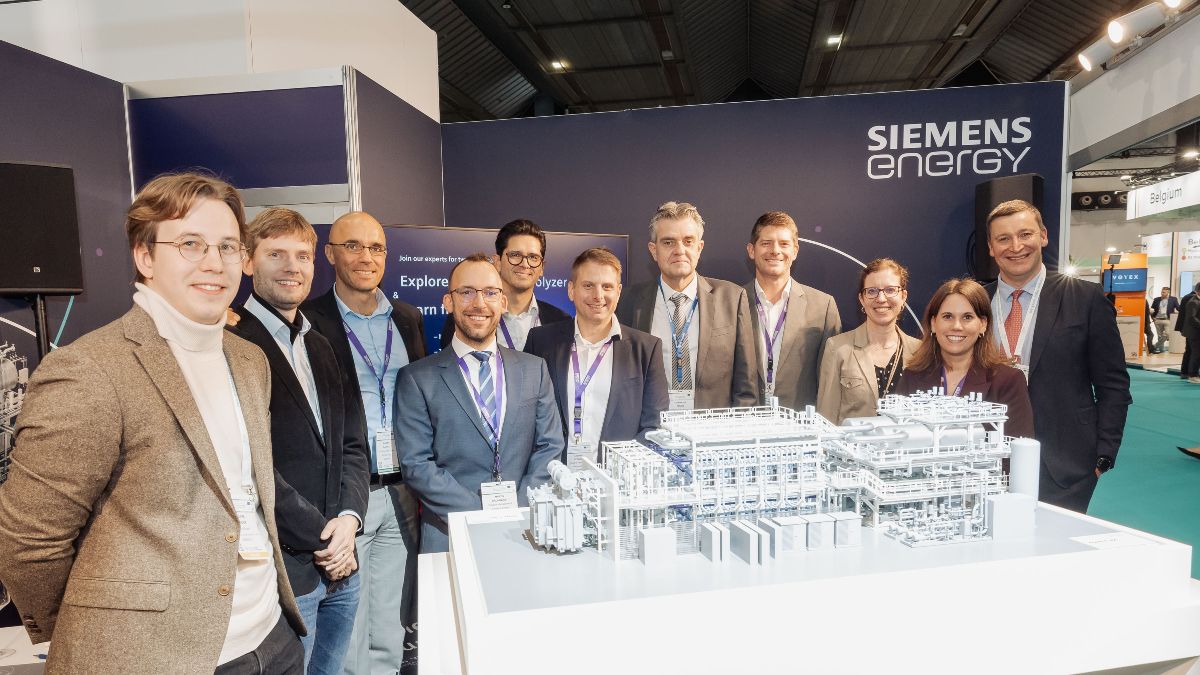
With the official market launch of the "Elyzer P-360" electrolyser at European Hydrogen Week in Brussels at the end of October, a key milestone of the SUPER-H2 funding project has now been achieved. The 50 MW electrolyser can produce up to 920 kg of hydrogen per hour at a pressure of up to 10 bar. "An initial, funded 8 MW pilot plant is already in operation at Evonik in Herne. With the market launch of the Elyzer P-360, we are now ready to work with an industrial partner to build a first plant in the two- to three-digit MW range by 2030 at the latest and to operate it at full scale under real-world conditions," said Dr. Martin Kronhardt. The aim is to establish the Elyzer P-360 on the market, to start serial production for the commercial roll-out, and to successfully implement the manufacturing processes developed in SUPER-H2 in a production environment once the project has been completed.